
Patched, monitored and backed up for you
Support for the systems you run on, for a fixed monthly fee, from the engineers who know them — month to month.
Systems don't stop needing attention at launch
Servers need patching, dependencies go out of date, certificates expire and things fail at inconvenient hours. In most businesses that work lands on whoever is nearest — an office manager, a founder, an IT contractor who last saw the system a year ago. A managed plan puts it with a team that watches it continuously, documents it, fixes it, and reports on it, for a fixed monthly fee. Systems we built, and systems we didn't.

What a plan covers
Plans are scoped to the systems being looked after. Most combine several of these into one fee.
Application support
Bug fixes, small improvements, performance tuning and user support for applications we built and applications we inherited.
Talk to an engineerInfrastructure management
Operating system patching, security updates, certificate renewal and capacity planning. You never log into a server.
Talk to an engineerMonitoring and incident response
Uptime, performance and error monitoring around the clock, with alerts that reach an engineer. Average first response: four minutes.
Talk to an engineerBackups and recovery
Automated backups held in-country, restores tested on a schedule, and a written recovery plan with agreed recovery point and time.
Talk to an engineerWebsite maintenance
CMS, plugin and dependency updates, applied and tested. Content changes and minor design work when you'd rather not.
Talk to an engineerReporting and review
A monthly report of what was watched, blocked, patched and fixed, and a quarterly review of what should change next.
Talk to an engineerFrom first look to steady state
Assess
We review the systems and the support they currently get, including the arrangements nobody has written down.
Scope
A plan with a fixed monthly fee, named systems and response targets. Nothing in the plan is billed by the hour.
Onboard
We document every system and set up monitoring, so the team supporting you knows how it all works before the first alert.
Run and review
Ongoing support and maintenance, a monthly report, and a quarterly review to plan the next changes.
How it runs
average first response to an alert, from one of our engineers
missed response targets in the last 90 days
monitoring of every system on a plan
Systems in production
Platforms, applications and websites we built and run, and what changed after they went live.

Brand, website and portal for Australia’s home elevator market
A complete brand redesign, website rebuild and comparison portal — connecting home elevator buyers with suppliers across Australia through one consultation-led platform.
Read the case study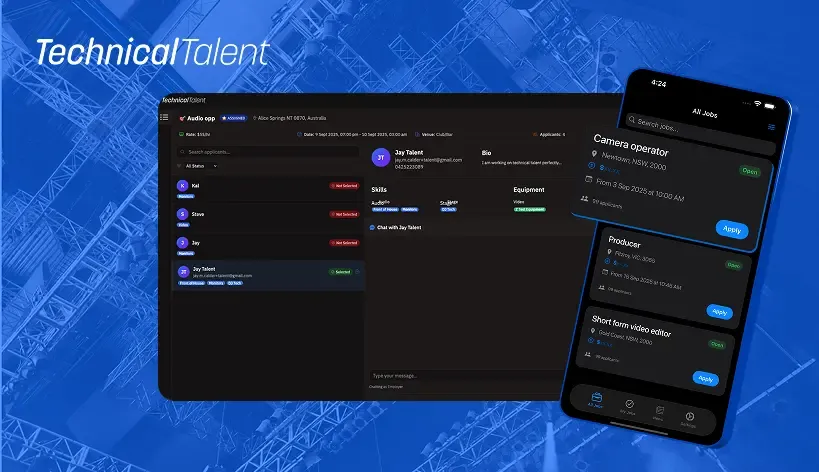
A crewing marketplace for Australia’s live events industry
A Next.js web platform and native mobile app connecting audiovisual technicians with production companies — smart filtering, endorsements and messaging, end to end.
Read the case study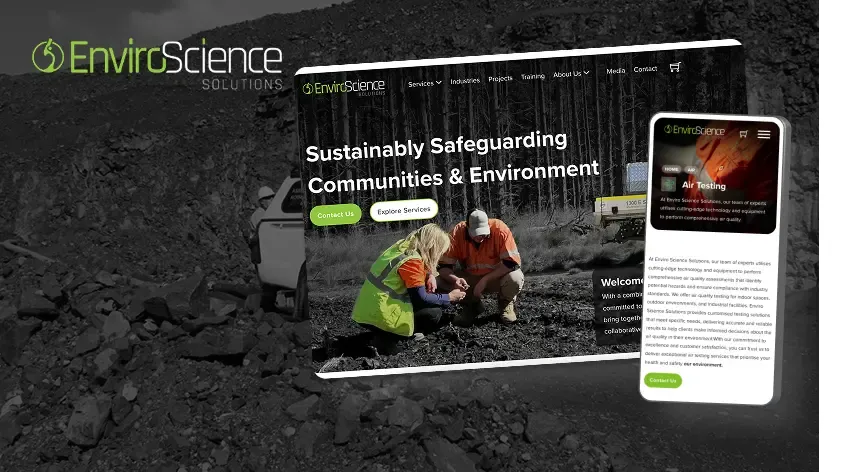
A digital overhaul for one of Australia’s fastest-growing firms
A complete website overhaul and process automation for one of Australia’s top 55 fastest-growing businesses — a digital presence that finally matches the firm.
Read the case studyQuestions about managed plans
What does a plan cost?
A fixed monthly fee set by what is being looked after: how many systems, how much usage, what response targets you need. Everything in scope is covered by the fee, including fixes. Nothing is billed by the hour.
Do you support systems you didn't build?
Yes. Onboarding starts with documenting what you have — sites, applications, servers, integrations. If something is genuinely unsupportable, we say so and quote what fixing it would take.
How fast do you respond?
Monitoring alerts us automatically. Average first response is four minutes, and we haven't missed a response target in the last 90 days. Most issues are resolved before customers see them.
Are we locked in?
No. Plans run month to month after onboarding. Your systems are documented and your accounts are your own, so handover to another provider or an in-house team is clean.
How does this compare with hiring someone?
Coverage and breadth. One hire can't watch systems around the clock or span development, infrastructure and security. A plan costs a fraction of a salary; when you do hire in-house, we hand over and work alongside them.
Tell us what you're running
We'll review it and recommend a level of support in writing — including telling you if you don't need one yet.