
One record of the truth
We connect the systems you run, move data without losing history, and build reporting that reads from the source.
The expensive part of your software is the gaps between it
Most of the cost of a software stack isn't the subscriptions. It is the re-keying between them, the reconciliation at month end, and the decisions made on a spreadsheet exported last Tuesday. We build the connections: Xero to the job system, the website to the CRM, the field app to invoicing. Data moves once, automatically, and reports read from the live record. The pipelines and dashboards are yours, documented and in your accounts.

Connect, migrate, report, automate
Most engagements start with one integration or one migration and grow from there.
System integration
Two-way connections between accounting, CRM, operations and web systems, built on each vendor's supported API and monitored for failures.
Talk to an engineerData migration
Moving off a legacy system with history intact: mapped, rehearsed, cut over on a date you choose, with the old system available until you say otherwise.
Talk to an engineerReporting and dashboards
Live dashboards and scheduled reports built directly on your data. Nothing exported, nothing re-typed, nothing out of date.
Talk to an engineerDatabase design
A data model that matches how the business works, in PostgreSQL, so every system reads and writes the same record.
Talk to an engineerAPI development
APIs for partners, customers and your own applications, documented, versioned and secured behind our firewall.
Talk to an engineerWorkflow automation
Rules that fire when data changes: invoices raised, documents generated, approvals routed, exceptions flagged to a person.
Talk to an engineerWhat connected data does
Reconciliation stops
When the invoice, the job and the ledger are one record, month end is a check rather than a reconstruction.
Reports are current
The dashboard reads from the source. The number on screen is the number in the system, not the one exported last week.
Repetitive work disappears
Re-keying, chasing, copying attachments between tools. Automated once, correctly, and monitored so you hear about it if it stops.
Growth without headcount
Twice the volume through the same systems and the same people, because the work in between is no longer manual.
From the case studies
of LiftHub's weekly reports now generate themselves from live data
of operations work saved each week through automation
lower software operating costs once the systems shared one record
Systems in production
Platforms, applications and websites we built and run, and what changed after they went live.
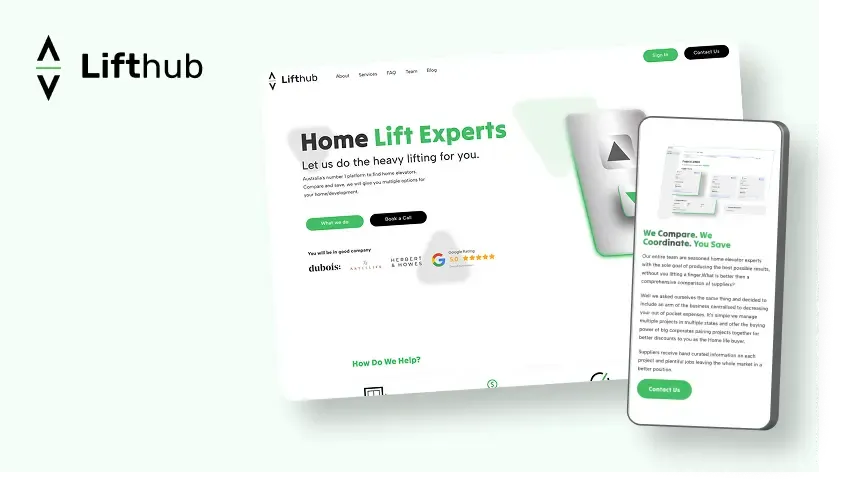
Brand, website and portal for Australia’s home elevator market
A complete brand redesign, website rebuild and comparison portal — connecting home elevator buyers with suppliers across Australia through one consultation-led platform.
Read the case study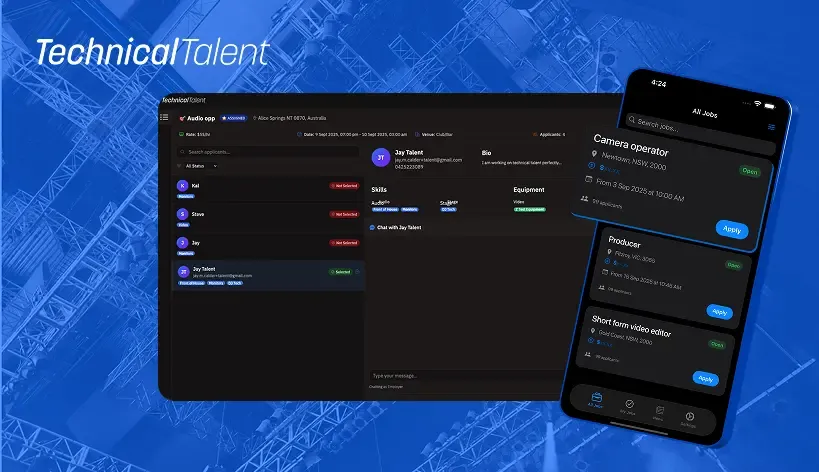
A crewing marketplace for Australia’s live events industry
A Next.js web platform and native mobile app connecting audiovisual technicians with production companies — smart filtering, endorsements and messaging, end to end.
Read the case study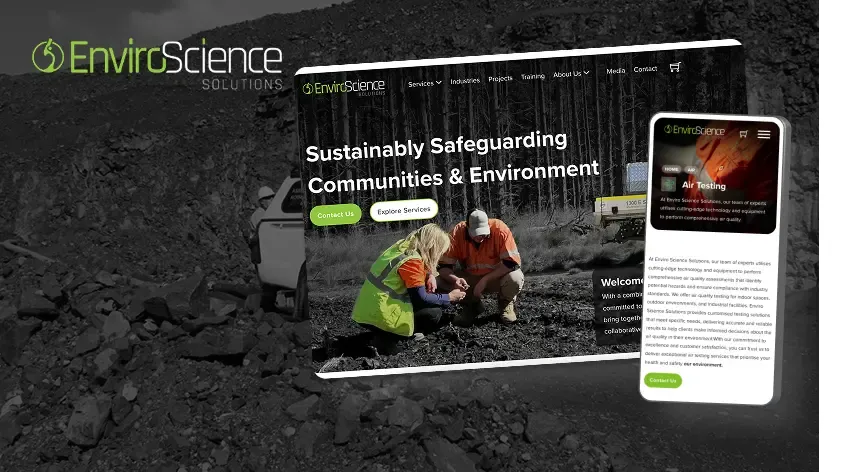
A digital overhaul for one of Australia’s fastest-growing firms
A complete website overhaul and process automation for one of Australia’s top 55 fastest-growing businesses — a digital presence that finally matches the firm.
Read the case studyWhat we integrate with





Questions about integration work
Do we have to replace our existing tools?
No. Integration exists so you can keep the tools that work. We connect Xero, Microsoft 365, Salesforce, HubSpot, Shopify and most systems with a supported API. The tools that get retired are the ones the integration makes redundant.
What does it cost?
Fixed-price per integration or migration, scoped after we have seen both systems. Ongoing monitoring of the connections is part of a managed plan. If a vendor's API makes something impractical, we say so before quoting.
Will integrations break when a vendor updates their software?
Sometimes, which is why every integration we build is monitored. When a vendor changes an API we see the failure, fix it and tell you. Under a managed plan that is covered by the monthly fee.
Can you migrate us off a legacy system without losing history?
Yes. We map every field, migrate into a rehearsal environment, reconcile the counts and totals with you, and only then cut over. The legacy system stays readable until you are satisfied nothing is missing.
Who owns the pipelines and dashboards?
You do. They run in your accounts, the code is in your repository and the documentation is written for whoever comes after us.
Tell us which two systems don't talk
We'll look at both, tell you whether a supported integration exists, and quote a fixed price for building it.